Weather
The Weather: the additional member of the field season
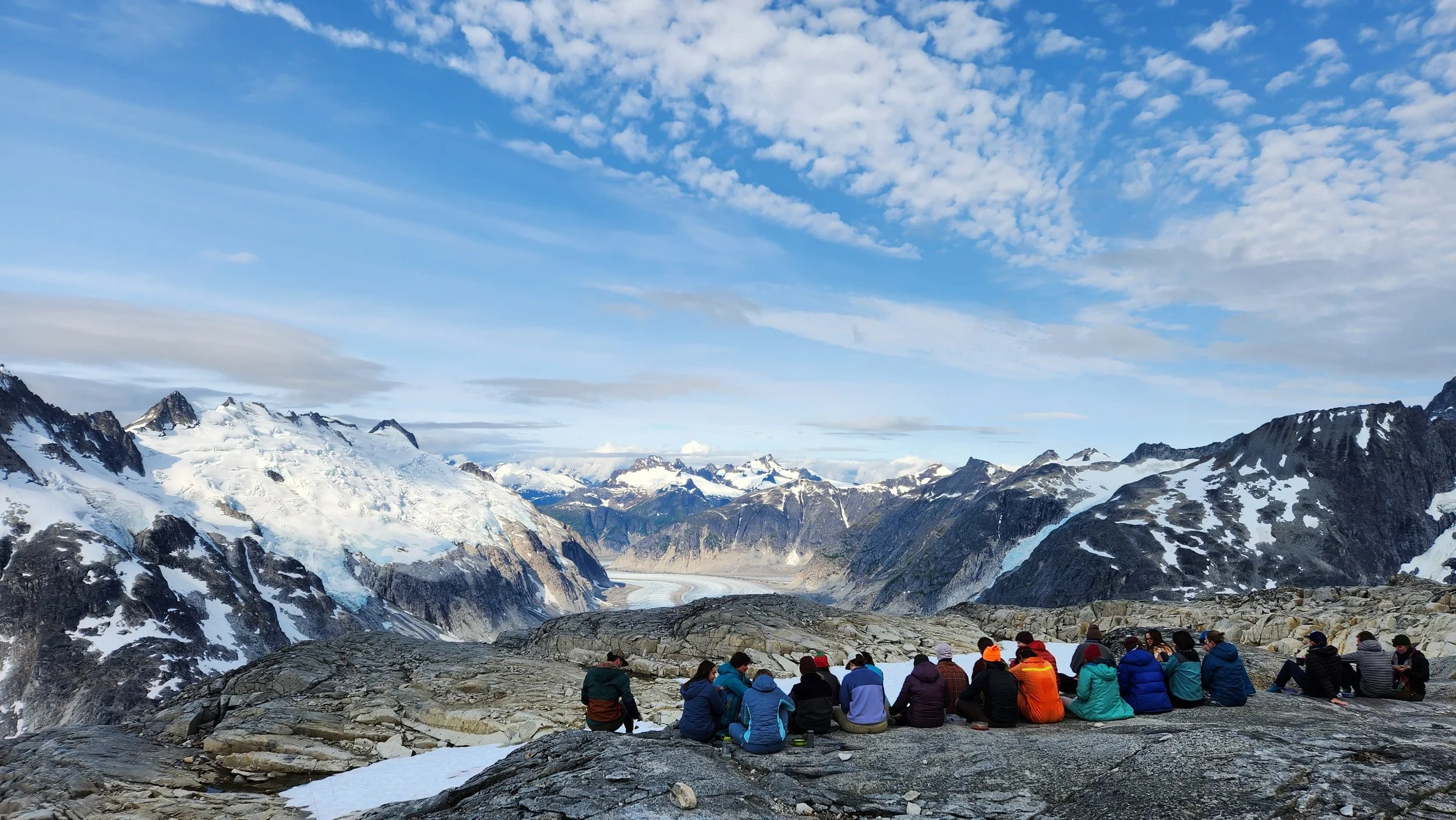
Weather on the Juneau Icefield is a tricky thing to work with. Overall, anyone who has worked in this part of the world will tell you it's rainy. Most of the Juneau Icefield is situated in the Tongass National Forest, a temperate rainforest that receives, on average, about 3 meters of rain per year; that's roughly three times as much as the East Coast of the United States and about twice as much as the Pacific Northwest of the lower 48.
Learning how to live, work, and travel in these conditions is part of JIRP. We go out almost every day, and you’ll get used to taking care of yourself outside in this part of the world. It’s not always fun while it's happening, but it's usually fun to tell stories about when you make it back to camp for hot dinner with your friends.
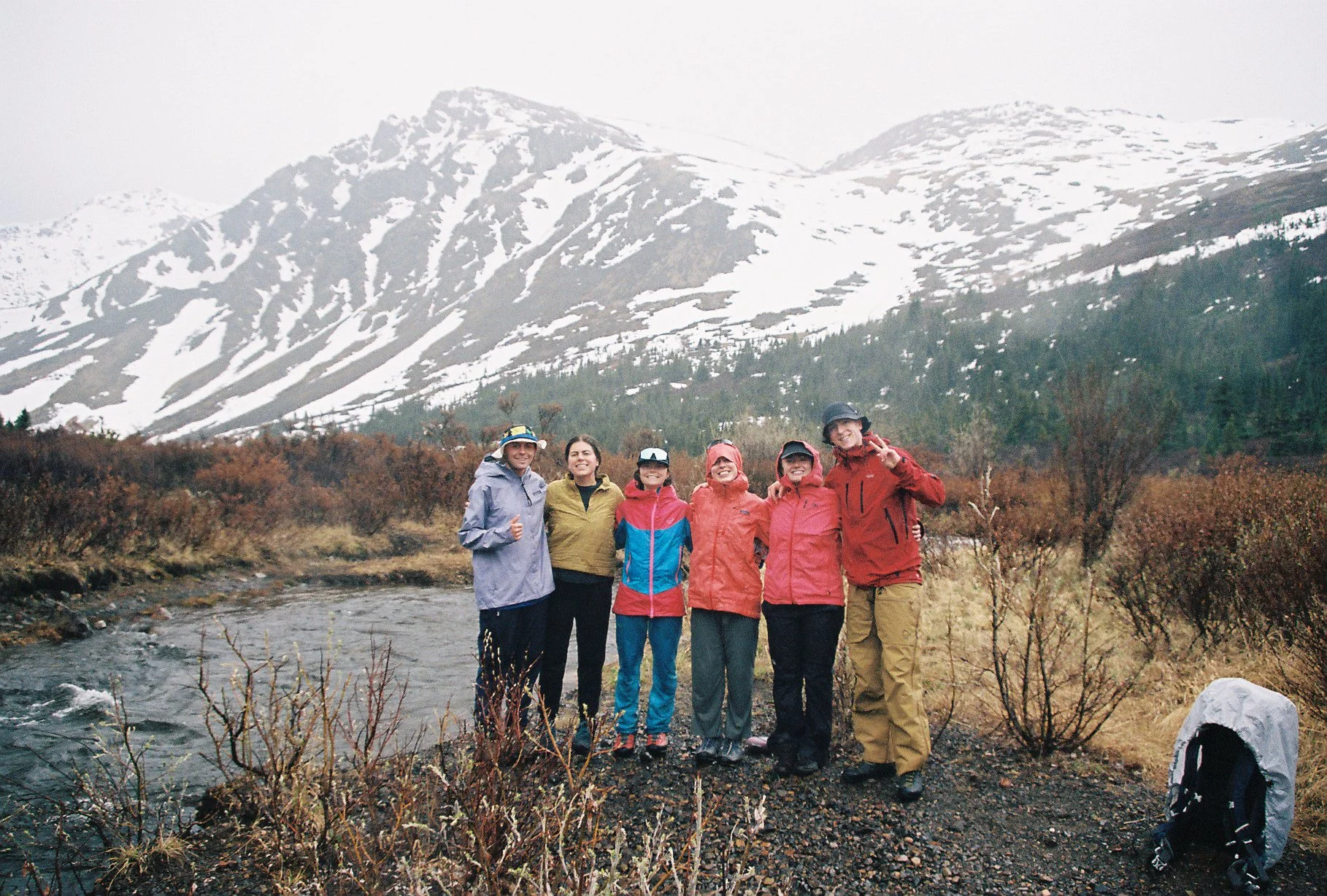
“No such thing as bad weather, just bad gear”
This saying gets thrown around a lot in Southeast Alaska. The sentiment that we appreciate is getting out and doing things regardless of what the weather is doing outside. If we waited to do stuff until it stopped raining, we would never get anything done on JIRP!
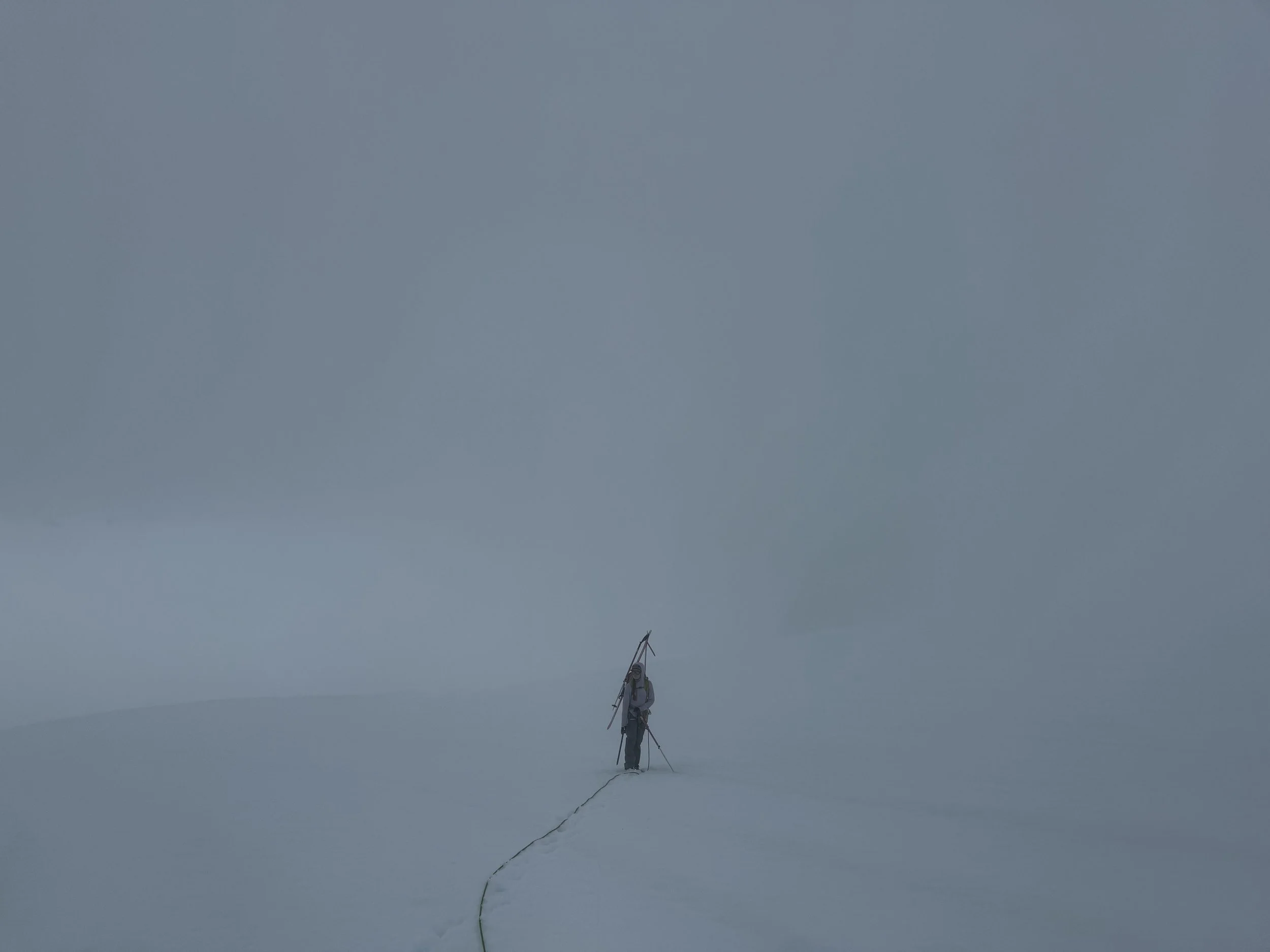
There is regular precipitation year-round in Juneau, and the summer is no exception. We will likely get many days of rain this summer, and very possibly a few days of sleet or snow. We will also likely get many cloudy/overcast/foggy days where it isn't exactly raining, but everything feels damp. Everyone on JIRP works hard to keep their clothing dry-ish, though almost everyone gets soaked at some point. With careful planning, experience, and attention to detail, it's possible to keep control of damp clothing. From stuffing your wet socks in your sleeping bag to dry overnight, to always removing your ski boot liners from your boots at the end of the day, to hanging your damp clothing over the generator to facilitate the drying process, the staff have loads of experience to share with you. It’s also important to make sure your rain layers are actually waterproof. Check out the Gear Care page to learn how to re-waterproof your outer layers!
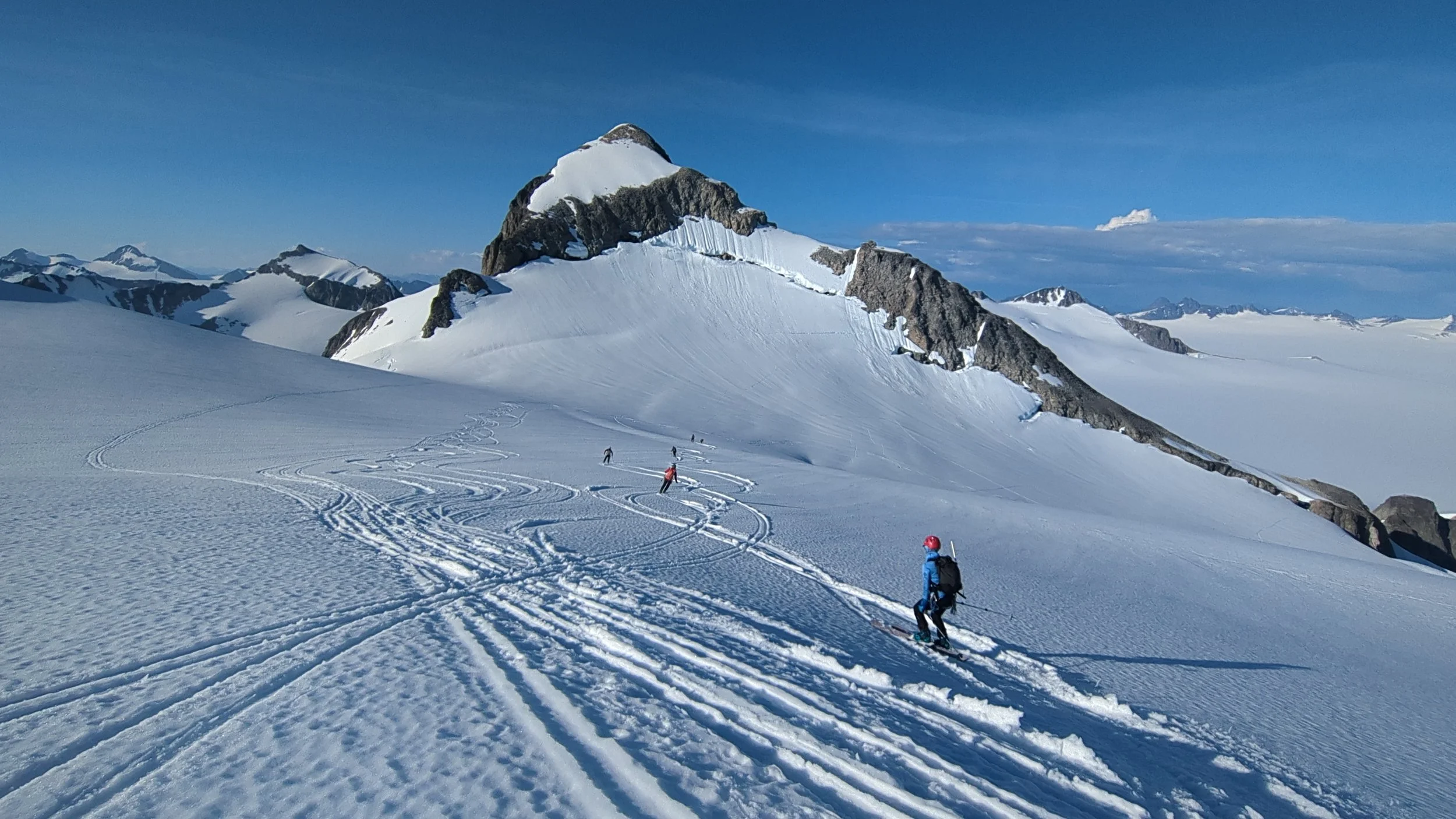
To balance out the rain and damp, many days on the Icefield are sunny. The sun feels lovely, and all JIRPers jump at the chance to dry their clothes when the sun comes out! Unfortunately, the sun is a double-edged sword. Snow reflects a significant portion of solar radiation - in glaciology we say it has a "high albedo" - and JIRPers who aren't careful can end up with unusual sunburns very quickly. Because of the high snow albedo, JIRPers have to be careful of getting sunburns on cloudy and foggy days, too. We will go over sun protection during your first week (have you ever put sunscreen up your nose?), but coming to JIRP with appropriate sun protective clothing and sunscreen is the most important step you can take. Invest in a lightweight UPF-rated sun shirt (preferably with a hood), lightweight, light-colored baselayers (so they’re not too warm and don’t absorb heat from the sun), and a glacier-rated pair of sunglasses. Check out the Gear List page for information on all those items and more.
Temperature Range
Temperatures during the field season will vary dramatically. Hot, sunny days can get up to 80 °F/25 °C. Believe us when we say that a sunny day at the beach will not feel as hot as cross-country skiing on a sunny day with the snow reflecting the sun back up at you. Exercising in the sun on a giant mirror is no joke! At night, temperatures can drop below freezing, but it likely won't ever get deeply cold. On clear nights we may see temperatures down to 20 °F/-5 °C, but it's rare for it to get much colder than that. Most days on the Icefield will probably be pretty moderate: 40-50 °F/5-10 °C and overcast or drizzling.