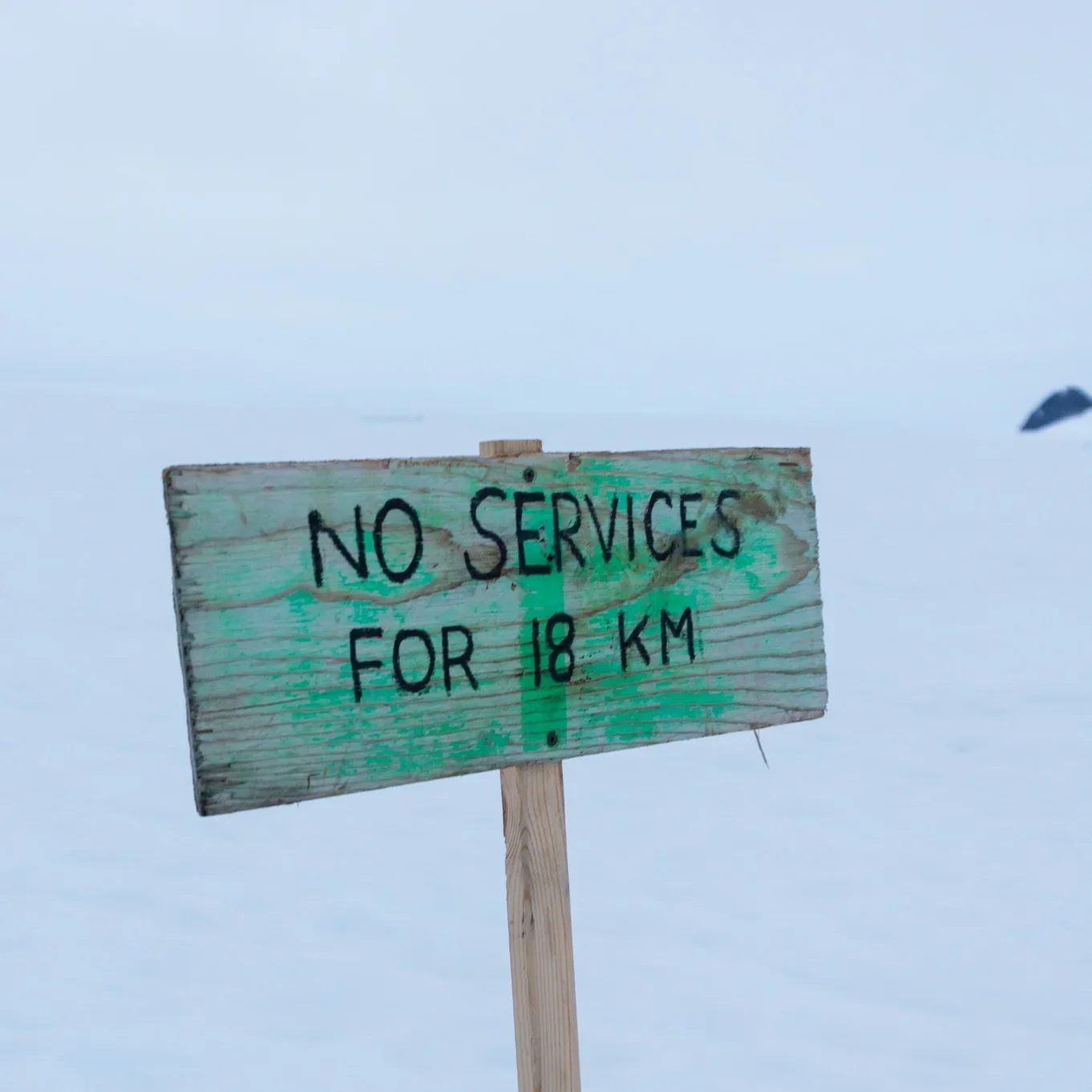
Field Camps
Where do we live on the Icefield?
Many field research teams say they live in "field camps," but anyone who's been to more than one will tell you this term means something different to everyone.
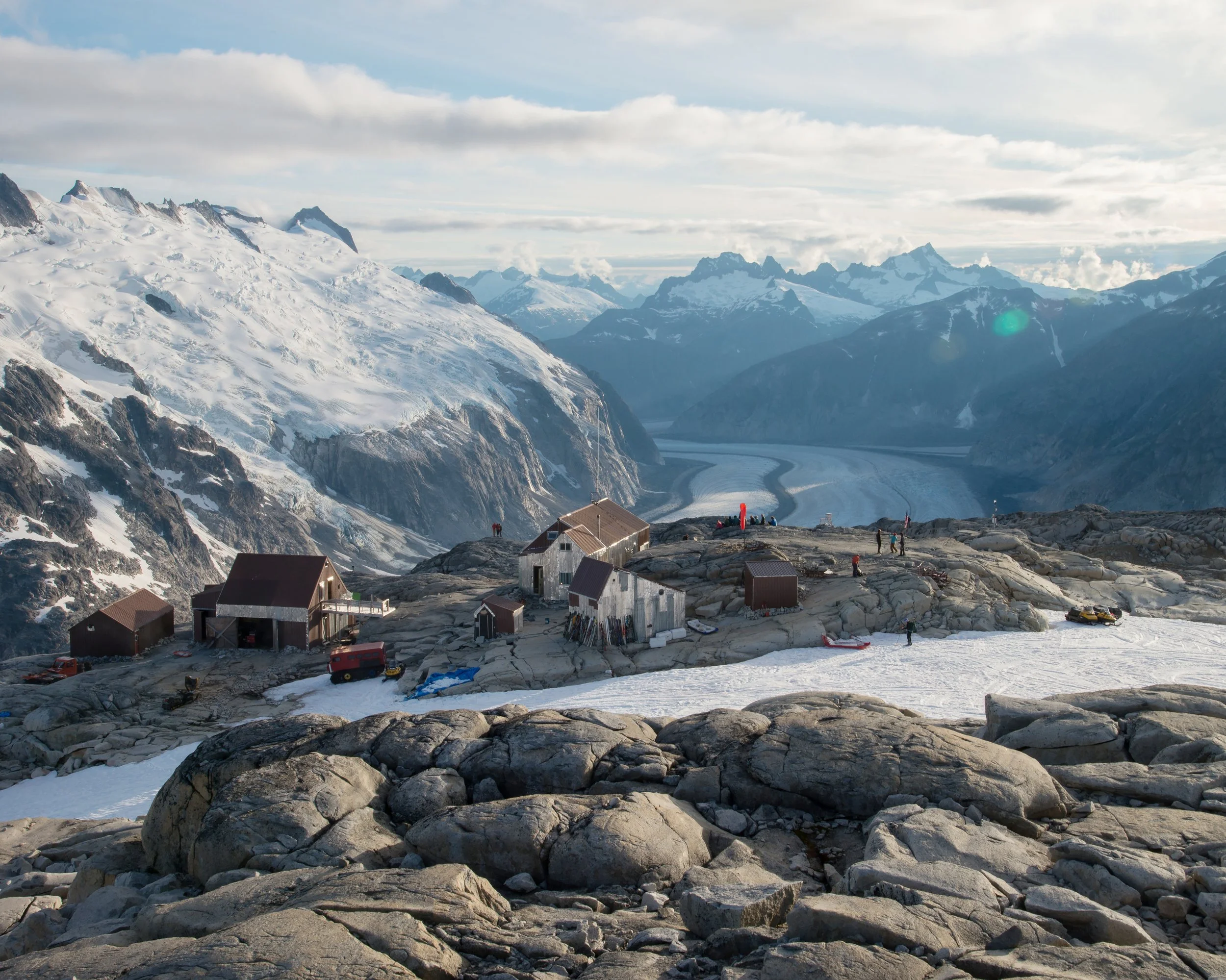
The JIRP field camps are a huge reason why JIRP is so special. The oldest buildings on the Icefield are as old as the program itself! The Undergraduate-level field course spends most of the summer at three major field camps (Camps 17, 10, and 18), though participants will also visit smaller camps for day or overnight trips.
Camp Buildings
JIRP field camps each have their own quirks, but the major camps are built with the same overall idea. Each camp is a collection of permanent buildings. The buildings are generally uninsulated and unheated, so they're usually about the same temperature as the outside but they're all protected from rain, snow, and wind.
Each camp has a cookshack, a lecture building, a generator/maintenance building, several bunkhouses, and several outhouses. Fun JIRP trivia: each Icefield building has its own name. The names are often puns (the supposedly degenerate staff sleep in a building attached to the Generator Shed called the "Duh-Generate") or part of a theme (the bunkhouses at Camp 10 are called the Hilton, the Pullman, the HoJo (Howard Johnson), the Raven's Nest, and the Surveyor's Inn - they're all named after hotels).
-
COOKSHACK
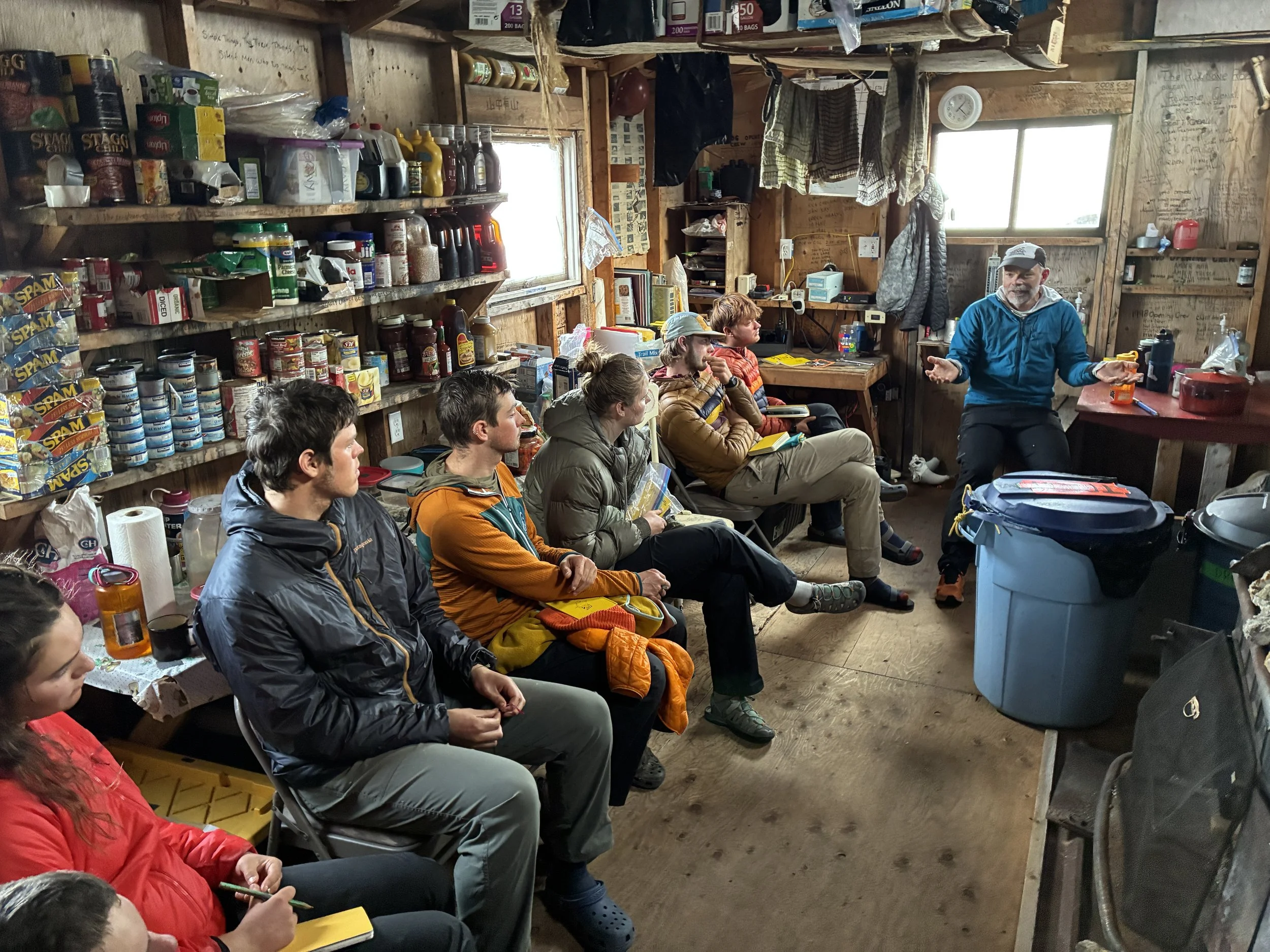
The Cookshack at every camp is equipped with one or more full propane stove/ovens, counter space for food prep, a pantry, a selection of cooking dishes, and communal tables. Most communal activities happen in the cookshack - meals, Morning Announcements, casual hanging out after dinner, and some academic activities.
-
BUNKHOUSES
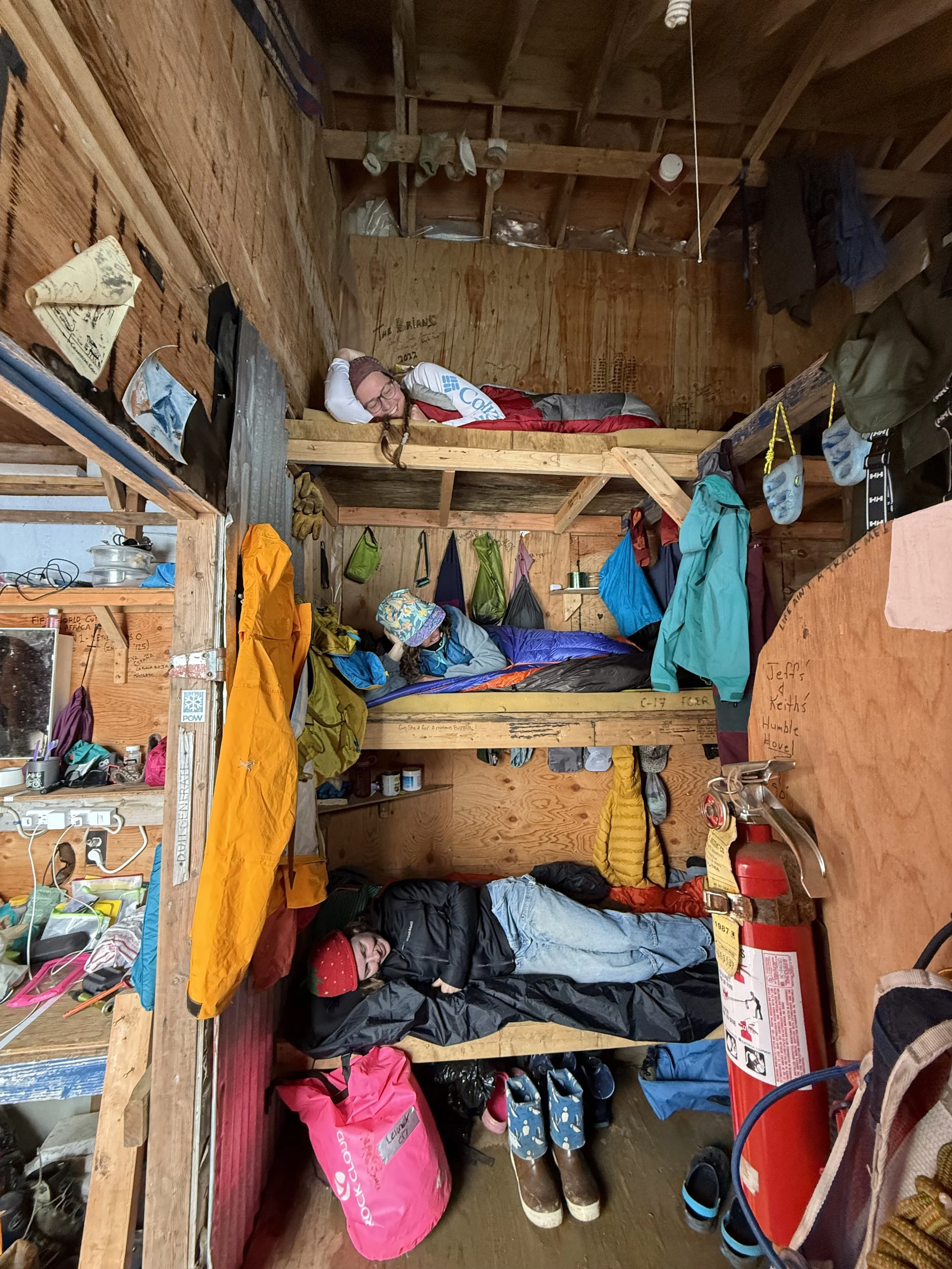
Personal space is limited in JIRP field camps. Bunkhouses are divided by faculty, staff, and students. Faculty and staff housing are gender-neutral; students can choose between single-gender and gender-neutral housing. Each person, regardless of the building in which they're sleeping, has roughly the same setup: A single bunk, a light foam mattress, and the storage space of either half the space under their bunk or hooks on the wall around their bunk. Because everyone brings a very limited selection of personal items to the Icefield this system generally works, but it does require that everyone is conscientious of their bunkmates.
-
LECTURE SPACE
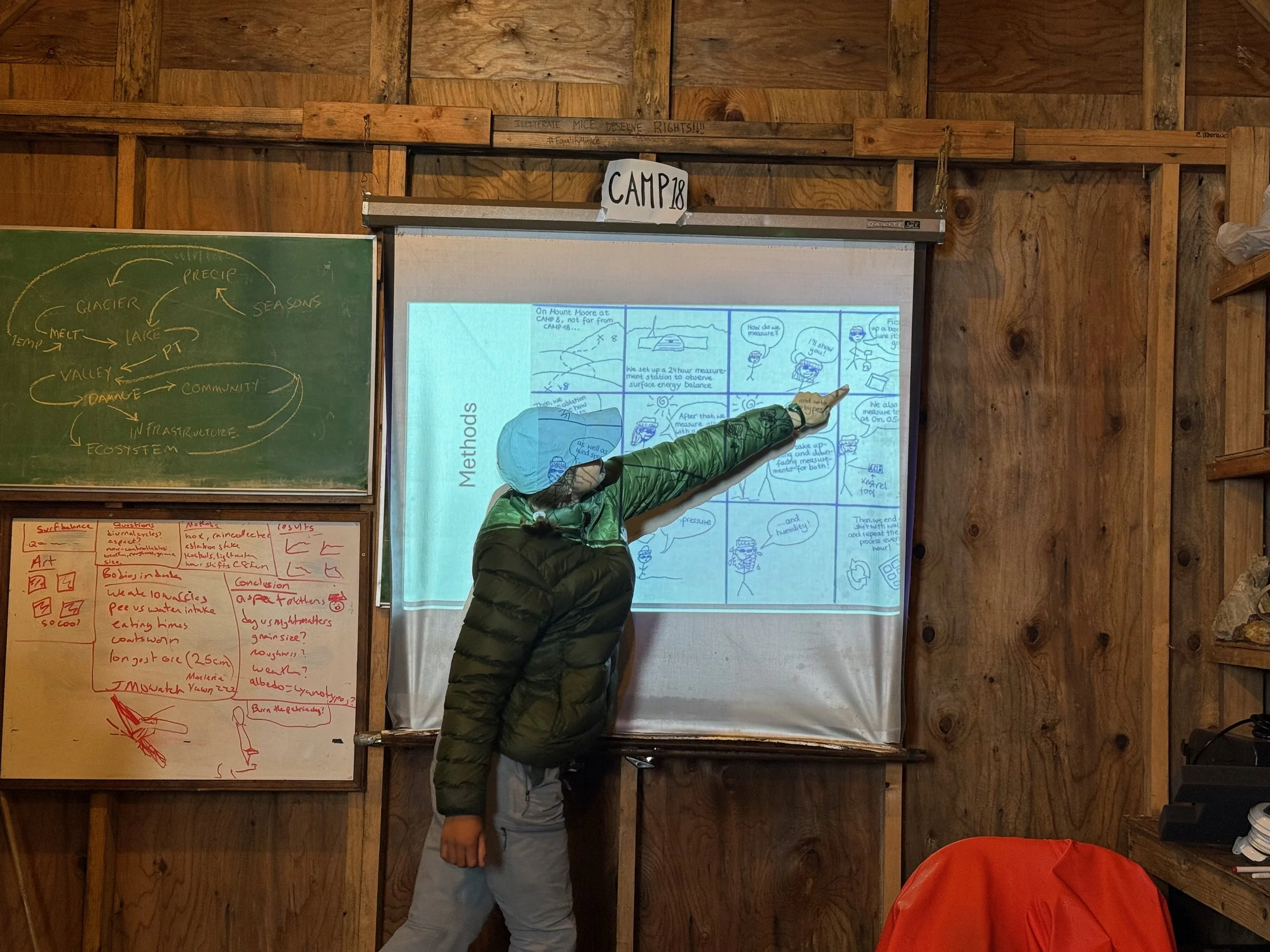
Each of the major camps has a lecture space and library for teaching and gathering when the weather makes gathering outside unpleasant. Each lecture space has a projector for Teaching Faculty to present evening lectures, work on data processing with small groups, and occasionally screen Icefield classic movies like The Thing (which was partially filmed at Camp 10). The library is full of interesting Icefield history such as textbooks, meteorological reports, theses and photographs, which are always available for participants to peruse.
-
OUTHOUSES
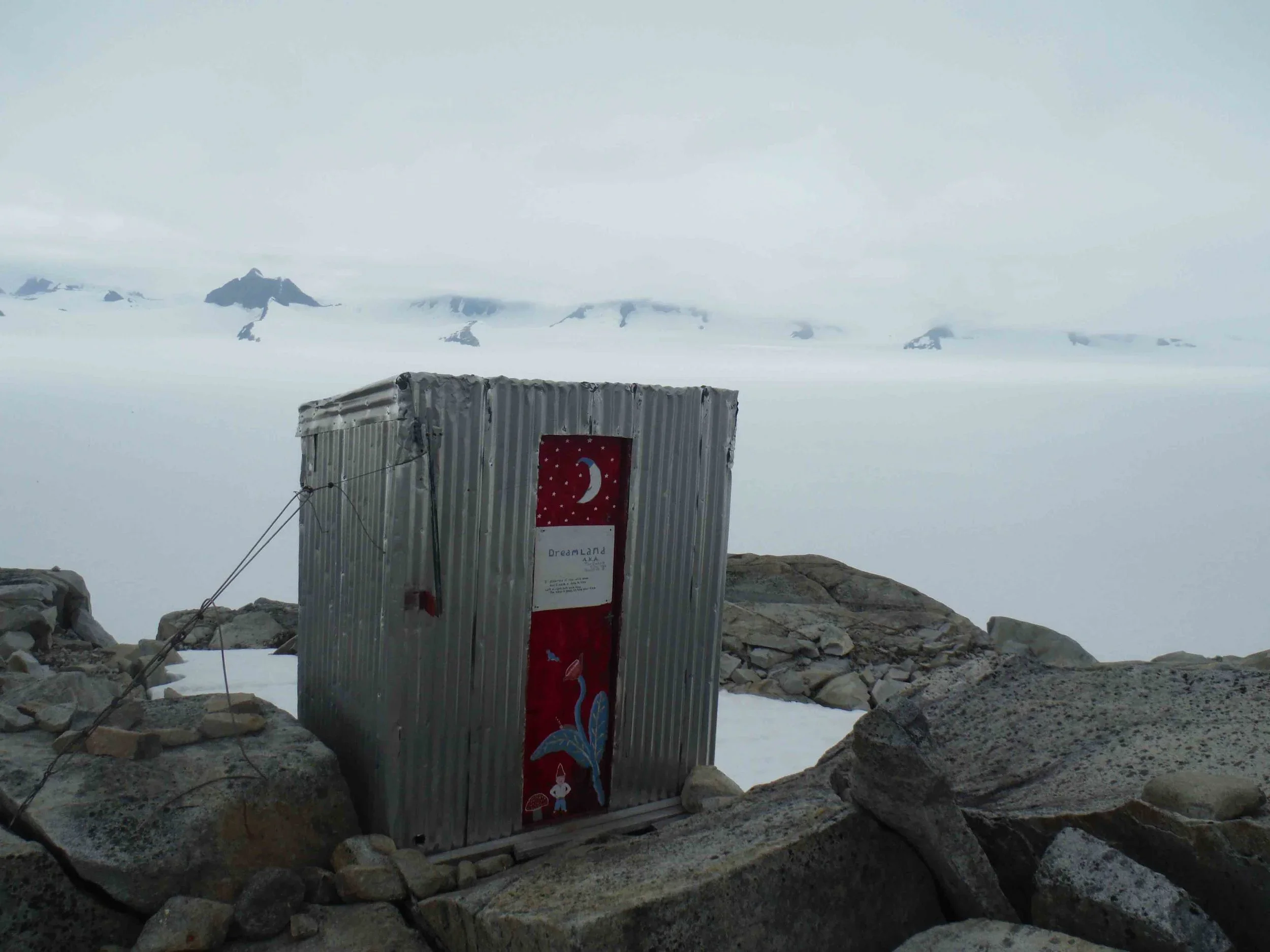
The Icefield camps boast a collection of quirky outhouses, most of which have iconic views on clear-weather days. Each outhouse has a name (“Venus Flytrap,” “Big Bird,” and “Dreamland” to name a few) and usually gains a devoted fanbase by the end of each block.
If you’d like to learn more about the camp toilets, check out the Personal Hygiene page.
Utilities
Amenities are few and far between on the Icefield. Some participants will arrive more than ready to "rough it", but for others it will take some adjustment. Both perspectives are good and welcome, and we respect the hard work everyone has to do to stay present for the duration of the summer.
WATER
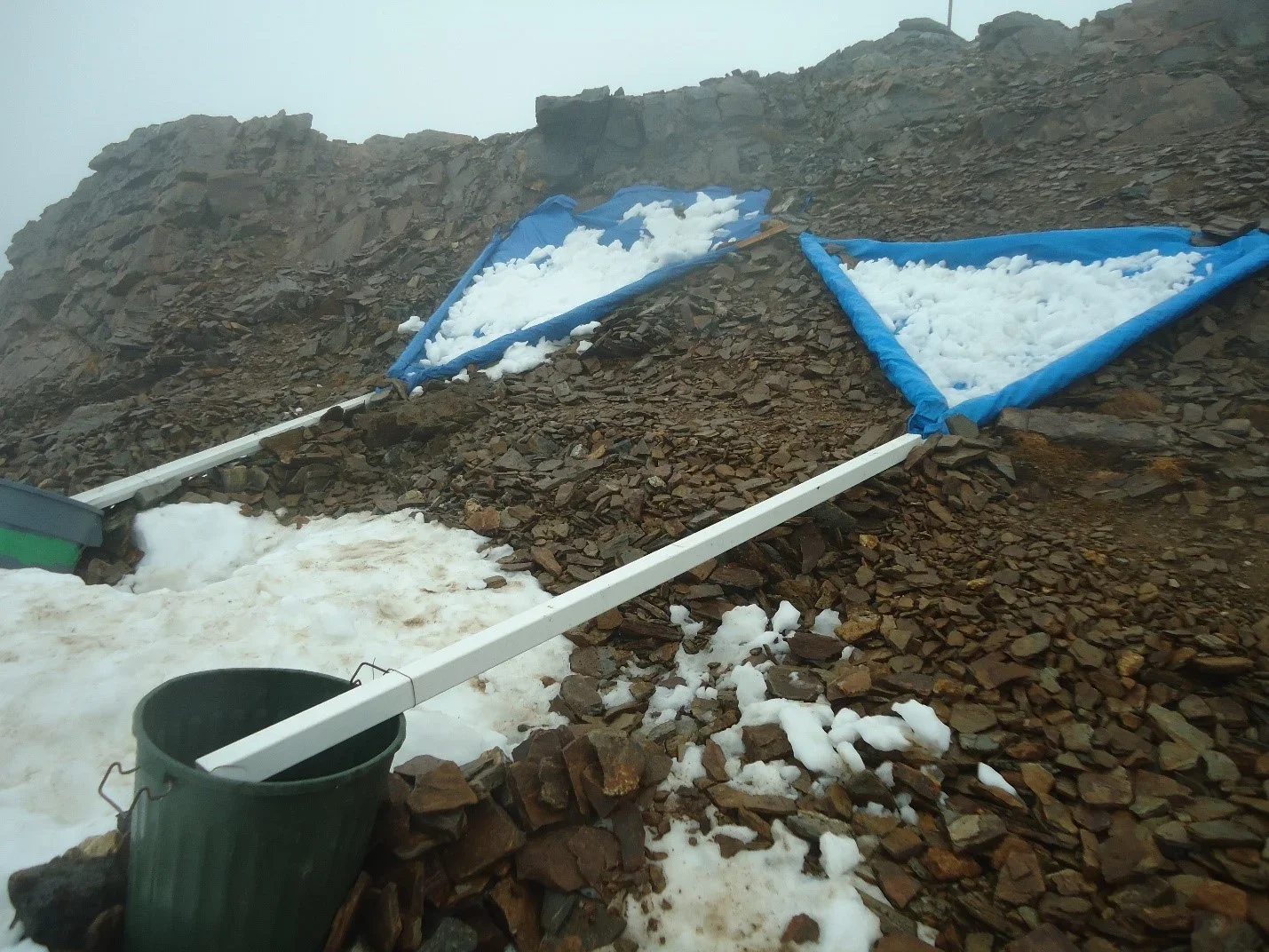
We don't have plumbing on the Icefield. We get our drinking water from rainfall and snow melt, and every camp has designated, protected areas for collecting clean water. The water is clean and participants do not need to worry about bringing tools for sterilization.
ELECTRICITY
Every camp has a gasoline-powered generator. We turn the generator on in the evenings and run it until Lights Out at 2300 (11 pm). Not every building is wired, but everyone has access to common outlets for charging batteries and cameras in the Cookshack. Charging opportunities are limited, but as long as everyone is conscientious it generally works out.
INTERNET & PHONE ACCESS
Students do not have Internet or phone access on the Icefield, but grocery helicopters bring snail mail to and from camp roughly once a week. The Field Staff maintain daily contact with the Juneau-based Logistics Staff via radio, satellite phone, or other satellite connection. These avenues are available to students and faculty in specific circumstances (family emergency, small children at home, certain scientific needs, etc.). Please direct questions to our staff if you have questions. More information is available on the Friends & Family page.